
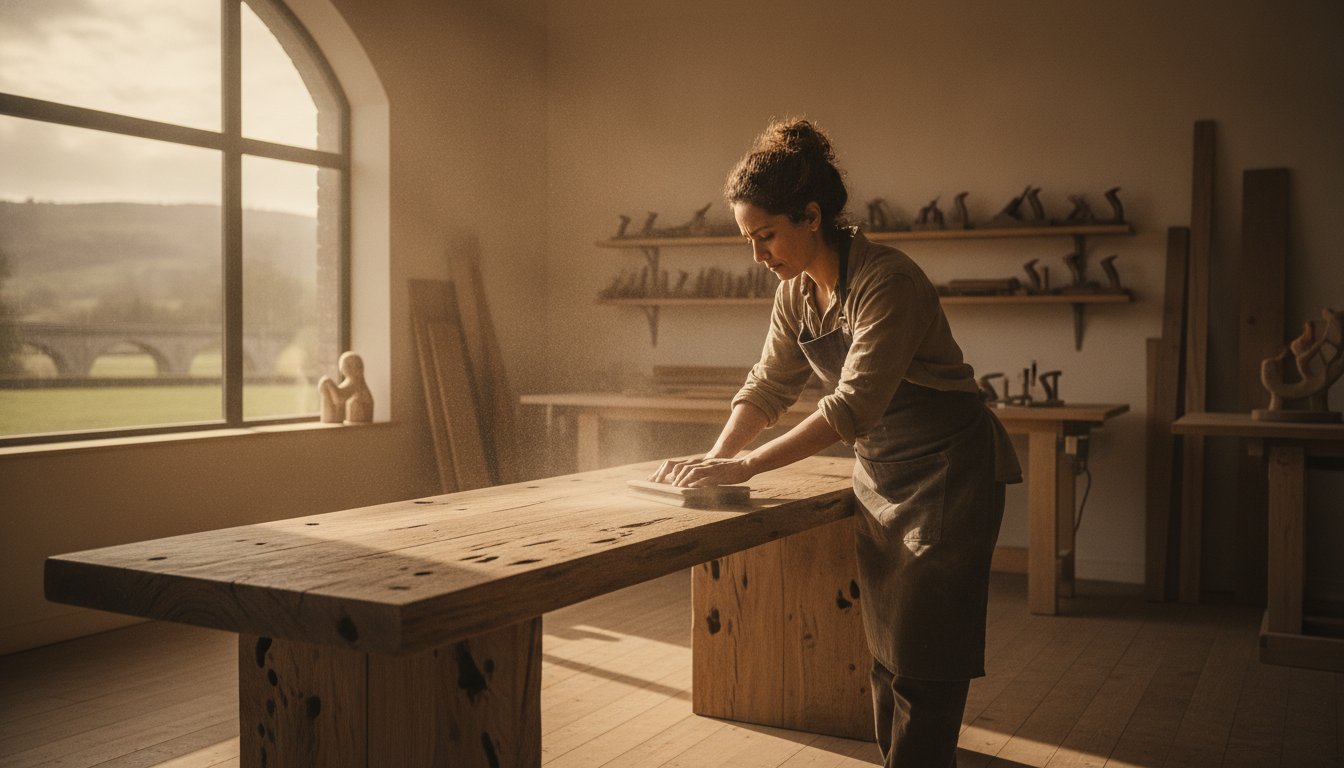
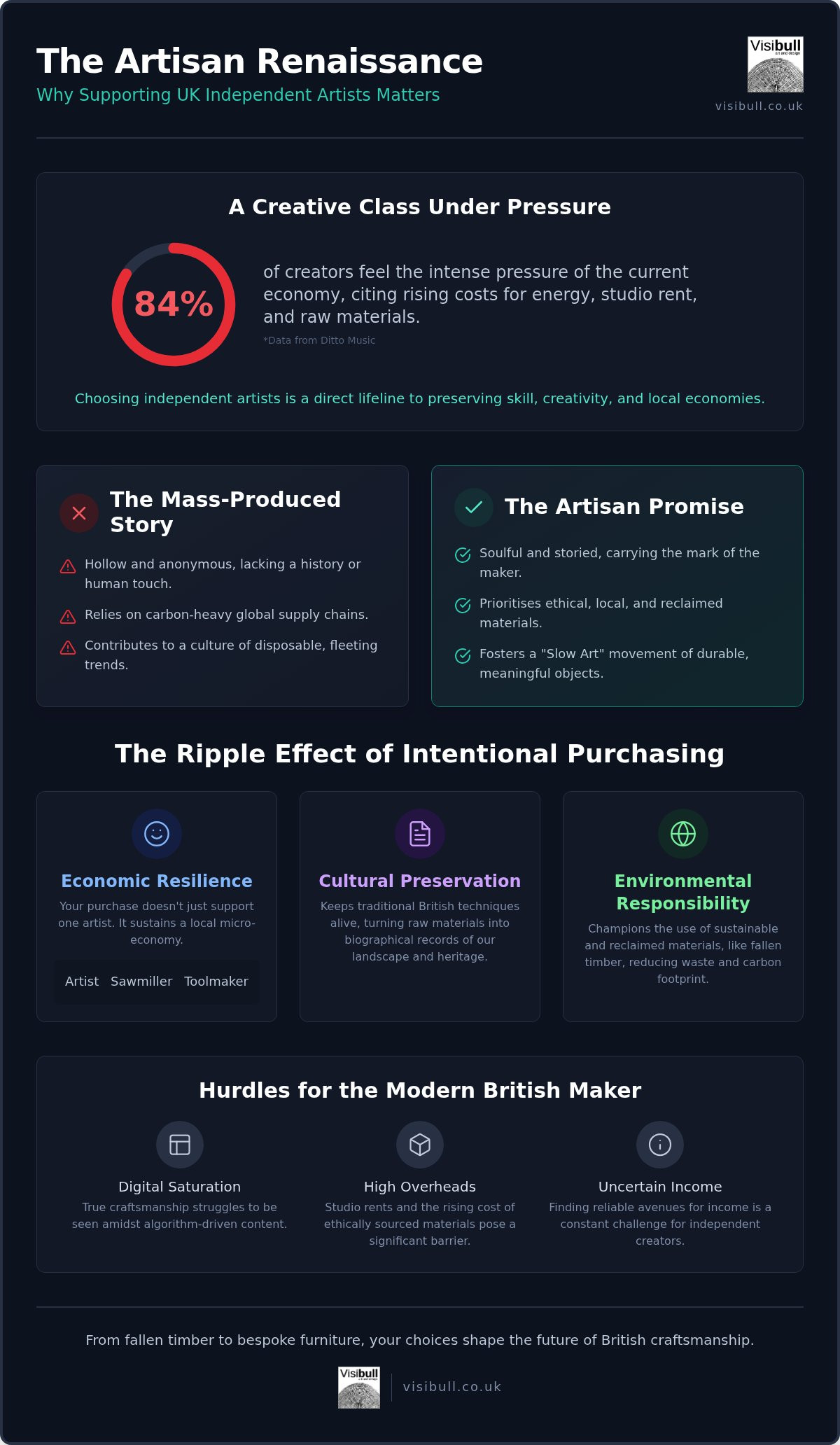
What if the most radical act you could take for the planet this year wasn't found in a recycling bin, but in the tactile grain of a handmade timber table or the ink of a hand-pressed print? Many of us feel a quiet disconnection from the objects in our homes, weary of the hollow story told by mass-produced goods. With data from Ditto Music highlighting that 84% of creators feel the pressure of the current economy, it's clear that the choice to support UK independent artists is more vital than ever. You likely feel the weight of this shift, sensing that our traditional British crafts are slipping away just as we need their soul and durability most.
In this article, you'll discover why the shift towards independent British craftsmanship is revitalising our culture and how your choices can preserve heritage whilst protecting the environment. We'll explore the wider impact of your purchasing power and find practical ways to help the creative scene thrive in 2026. It's time to reconnect with the stories behind your home decor and clothing, finding beauty in materials like fallen timber that reflect the natural world we all cherish.
Key Takeaways
- Understand the vital role of the creative class in 2026 and how choosing to support UK independent artists helps overcome the economic hurdles facing local workshops.
- Discover how artisan craftsmanship preserves traditional British techniques, turning raw materials into soulful objects that carry a deeper story than mass-produced goods.
- Learn why sourcing from independent makers is a powerful environmental choice, prioritising ethical materials and reclaimed timber over carbon-heavy global supply chains.
- Shift your mindset from charitable giving to intentional purchasing, seeing how even small acquisitions like homewares can sustain an artist’s studio.
- Explore the journey of materials from the forest floor to your home, witnessing how fallen timber is transformed into bespoke furniture and original artist prints.
The State of the Arts: Why Supporting UK Independent Artists is Vital in 2026
In the landscape of 2026, an independent artist is defined by more than just their lack of a corporate label. These are the makers who hold a direct, tactile relationship with their materials, from the printmaker hand-pressing ink onto paper to the woodworker carving fallen timber. Choosing to support UK independent artists isn't merely a shopping preference; it's a commitment to a micro-economy built on patience and skill. This movement mirrors the historical values of the Arts and Crafts movement, which championed the human touch over the cold output of industrial machinery.
The economic ripples of the mid-2020s have left a lasting mark on the creative class. Rising costs for energy, studio rents, and raw materials have created a narrow path for those who refuse to compromise on quality. When you purchase an original artist print or a handmade table, you trigger a vital ripple effect. That single transaction sustains a local ecosystem, supporting the independent sawmiller, the local courier, and the traditional toolmaker. This collective resilience ensures that the "Slow Art" movement remains a robust counter-culture to the fleeting, disposable nature of mass-decor.
The Rise of the Conscious Consumer
There's a growing shift amongst British shoppers away from the anonymous, flat-pack convenience of the high street. We're seeing a return to the origin story, where the value of an object lies in the journey of its creation. A mass-produced item feels hollow because it lacks a history, whereas a storied artisan piece carries the weight of the forest and the breath of the workshop. The Artisan Economy has become a pillar of 2026 growth, proving that consumers now prioritise the lifecycle of a product over its price tag.
Challenges Facing the Modern British Maker
Despite the passion within the industry, the modern maker faces significant hurdles. Digital saturation often means that true craftsmanship is buried under a mountain of algorithm-driven content, making it difficult for artisans to reach those who value their work. Studio spaces in our towns and cities remain a premium, and the cost of ethically sourced timber continues to climb. Finding reliable avenues for income is essential, which is why many creators focus on providing sustainable gifts for nature lovers UK to keep their workshops running whilst they develop larger, bespoke commissions. These intentional purchases provide the oxygen required for traditional techniques to breathe in a fast-paced world.
Beyond the Aesthetic: The Cultural and Emotional Value of Artisan Craft
When we choose to support UK independent artists, we aren't just acquiring an object; we're inviting a piece of the maker's philosophy into our homes. There's a profound soulfulness in work that isn't rushed. The "Humble Artisan" doesn't aim to dominate the material but to reveal its inherent character. In 2026, this shift towards the organic and the tactile serves as a necessary balm for our digital fatigue. Surrounding ourselves with hand-crafted timber or the deep texture of hand-pressed paper provides a grounding presence that mass-produced plastic simply cannot replicate. Every knot and split in a piece of reclaimed timber tells a story of survival and growth, translating the language of the forest into something we can understand and touch.
The cultural value of this work is immense. Beyond the personal joy it brings, the economic contribution of the creative industries reflects how vital these makers are to the fabric of British society. Each piece of art serves as a biographical record of our landscape. A tree ring print, for instance, captures decades of rainfall, sunlight, and storm, preserving the memory of a specific woodland in a way that feels both ancient and contemporary. This connection to the outdoors is proven to foster well-being, offering a sense of permanence in an increasingly transient world. By choosing to support UK independent artists, you're investing in your own peace of mind whilst ensuring these vital storytelling skills aren't forgotten.
Preserving Heritage Through Modern Design
Traditional techniques don't have to be relics of the past. Modern makers use fallen timber, once destined for the chipper, to tell new stories about our local environments. By acting as stewards of natural history, these artists ensure that the heritage of our British woodlands isn't lost to time. You can explore this connection further by looking at tree ring art prints UK, which bring the quiet dignity of aged oak or ash directly into your living space. This is how we keep the history of our forests alive, one piece at a time.
The Emotional Connection to the Maker's Journey
The perception of a piece changes entirely when you understand the methodical execution required to create it. A hand-pressed print isn't just an image; it's the result of hours spent preparing the wood, mixing the ink, and applying pressure with a steady hand. This slow-paced journey creates a "favourite" object, something we cherish for a lifetime. Unlike the fleeting satisfaction of a high-street purchase, handmade items grow more meaningful as they age. They become part of our personal history. If you feel drawn to this more intimate way of living, you can discover more about the process of crafting art from fallen timber.
The Sustainability Factor: Comparing Independent Makers to Mass Production
The global furniture and decor supply chain is a heavy burden on our earth. It relies on long-distance shipping and materials extracted with little regard for the soil or the future. In contrast, when you choose to support UK independent artists, you're opting for a localised cycle that breathes with the rhythm of the land. Small studios often operate on a zero-waste principle, finding beauty in the overlooked or the reclaimed. Whether it's a handmade table from a fallen oak or homewares crafted from workshop offcuts, the artisan sees potential where industry sees waste.
Mass market production thrives on planned obsolescence, creating objects destined for landfill within a few years. Artisan goods are the antithesis of this throwaway culture. They are built with a structural integrity and a timeless aesthetic that encourages repair and preservation. While the UK's arts funding model continues to evolve, the most stable support for these eco-conscious practices comes from customers who value longevity over a low price tag.
Sourcing with Integrity: Fallen Trees vs. Industrial Logging
There's a profound ethical difference between industrial logging and the careful collection of fallen timber. Commercial felling often disrupts delicate ecosystems; however, working with trees that have naturally come to the end of their lives respects the lifecycle of the forest. By working with local materials, independent studios drastically reduce their carbon footprint. Wood is the ultimate sustainable medium; it is a vessel of captured carbon that, when handled by a respectful artisan, preserves the life of the tree for centuries to come.
Eco-Friendly Fashion and Homewares
This commitment to the planet extends beyond the woodshop and into our wardrobes. The growing interest in eco friendly nature inspired clothing UK represents a collective rejection of the fast fashion cycle. Artist-led apparel prioritises organic fibres and non-toxic, water-based inks that don't poison our waterways. These makers choose to prioritise the health of the environment over aggressive profit margins, ensuring that every garment tells a story of renewal rather than depletion. Supporting these creators is an investment in a cleaner, more thoughtful future for British craftsmanship.
Meaningful Action: How to Support the UK Creative Community
Supporting the creative community doesn't require a philanthropic budget; it starts with a simple shift in mindset. Instead of viewing your purchase as a charitable donation, see it as an intentional investment in the texture of your daily life. When you choose to support UK independent artists, you're choosing a piece with a pulse and a history. This commerce is a trade of values, where you receive a soulful object in exchange for sustaining a maker's livelihood. Every acquisition is a vote for the kind of world you want to inhabit, one filled with character rather than corporate uniformity.
Don't underestimate the power of smaller acquisitions. While a bespoke table is a significant investment, items like hand-pressed cards or sustainable homewares are the lifeblood of a working studio. These smaller purchases provide the consistent cash flow that keeps the lights on and the tools sharp. In a digital marketplace crowded with dropshipping and mass-produced clones, finding a genuine maker requires a discerning eye. Look for the traces of the process. A true artisan will share the messy reality of their workshop, the specific origins of their timber, and the methodical steps of their craft. If there's no sawdust or ink on their hands, they likely aren't the source of the work.
A Guide to Intentional Gifting
Gifting becomes a narrative when you choose something bespoke. For those marking milestones, exploring 5th anniversary wood gift ideas UK offers a chance to present a treasure that mirrors the strength and growth of a relationship. Commissions take this further, allowing you to collaborate directly with a maker on a unique vision that can't be found elsewhere. Even functional items, such as artist-led apparel, allow you to carry a piece of British heritage into your everyday rhythm, proving that art isn't just for the gallery wall.
Non-Financial Ways to Support Artists
Your voice is a currency of its own in the artisan economy. Detailed reviews and genuine word-of-mouth recommendations often carry more weight than a paid advertisement. Digital advocacy is equally vital; following a maker's journey and sharing their process on social media helps them bypass restrictive algorithms that favour big-budget brands. Attending open studios or local craft fairs also builds the community connections that provide the human encouragement every creator needs to keep moving forward. If you're ready to start your journey into intentional purchasing, you can explore our collection of hand-crafted prints and timber homewares to find a piece that resonates with you.
Preserving Woodland Heritage: The Visibull Artisan Perspective
At Visibull, we believe beauty isn't just found in the pristine; it's often hidden in the overlooked and the reclaimed. Our philosophy is rooted in the storytelling of natural materials, seeing a fallen tree not as debris, but as a silent witness to British history. By choosing to support UK independent artists like us, you're participating in a cycle of renewal that honours the lifecycle of our native timber. We take the raw, weathered cross-sections of oak, ash, and beech, and we transform them into a celebration of the forest's slow, methodical growth. This perspective ensures that the soul of the woodland is preserved long after the tree has returned to the earth.
The journey from the forest floor to a finished artwork is one of patience and reverence. It's a slow process that mirrors the growth of the trees themselves. We don't use mass-market timber; instead, we seek out the textures and stories found in wood that has naturally reached its end. This approach allows us to integrate original designs into eco-conscious daily life, offering a tangible connection to the outdoors through our homewares and eco-apparel. Supporting this movement means choosing objects that have been handled with care and integrity, ensuring that the human touch remains a vital part of our modern homes.
The Art of the Tree Ring
The journey begins with the discovery of fallen timber, perhaps brought down by a winter storm or the quiet weight of age. Hand-pressing a print from these cross-sections is a deeply tactile experience. We carefully sand the wood to reveal the delicate ridges of the rings, then apply ink and hand-burnish the paper to capture every minute detail. Each print captures a unique moment in a tree's life, from a few decades to several centuries of growth. This connection between the raw, earthy material and the final decor in your home brings a sense of permanence and peace that only nature can provide.
Join the Visibull Community
We invite you to explore our collection of original artist prints, eco clothing, and bespoke handmade tables. Integrity and transparency are at the heart of our studio, and we take pride in sharing the "how" and "why" behind every creation. By bringing these storied objects into your life, you're helping to preserve a vital part of our cultural heritage whilst protecting the environment from the impact of mass production. It's an opportunity to own something truly unique that reflects your values. Support independent UK art and bring the forest home with Visibull.
Cultivating a Storied Future for British Craft
Choosing to support UK independent artists is a quiet but powerful rejection of the hollow and the disposable. It's an intentional path towards a home filled with objects that carry the history of our woodlands and the integrity of the maker's hand. By prioritising longevity and ethical sourcing, you aren't just decorating a room; you're preserving the very techniques that define our cultural heritage. This shift towards the artisan economy ensures that the stories of our forests continue to be told through the grain of the wood and the texture of the print.
At Visibull, we remain dedicated to this journey of renewal. Every piece we create, from original prints pulled from fallen timber to our hand-crafted bespoke woodcraft, is a testament to the beauty found in the natural lifecycle of the forest. We use only eco-friendly materials and non-toxic inks, ensuring that your connection to the outdoors is as sustainable as it is soulful. Discover original tree ring prints and eco-conscious art at Visibull and join us in celebrating the enduring strength of British craftsmanship. Your choices today will shape the heritage of tomorrow.
Frequently Asked Questions
Why is it important to support independent artists in 2026?
Supporting independent creators ensures that traditional British crafts don't vanish in an era of digital saturation and mass production. When you choose to support UK independent artists, you're protecting a local ecosystem of makers who prioritise quality and soul over volume. These artists often lead the way in sustainable practices, such as using fallen timber, which reduces the carbon footprint of our homes. Your investment keeps workshops open and allows for the continued storytelling of our natural world.
How can I find genuine independent artists in the UK?
Genuine makers are often found through local craft fairs, open studio events, and dedicated artisan marketplaces that verify seller origins. Look for transparency in the creative process; a real artist will share the journey from raw material to finished piece. Digital platforms that showcase the messy reality of a workshop, rather than just polished stock photos, are good indicators. Authentic studios, like Visibull, provide clear details about their sustainable sourcing and hand-pressing techniques.
Why does handmade art cost more than mass-produced items?
The price of handmade art reflects the methodical execution and time required to create a single, unique object. Unlike mass-produced items made by machines in large volumes, artisan work involves manual labour, specialised tools, and high-quality, ethically sourced materials. Every original print or handmade table is a bespoke creation that carries the artist's expertise and a commitment to longevity. You're paying for a piece that is built to last centuries, not just seasons.
Can I support UK artists without spending a lot of money?
Yes, there are many ways to help the creative scene without a large financial commitment. Smaller items like hand-pressed cards or homewares provide vital cash flow for a studio. Beyond purchasing, you can offer digital advocacy by following artists on social media, sharing their work with your network, and leaving detailed reviews. Word-of-mouth recommendations are a powerful currency that helps independent makers bypass expensive advertising and reach new audiences who value authentic craftsmanship.
What are the environmental benefits of buying from independent makers?
Independent makers often prioritise the planet by sourcing materials locally and using reclaimed or fallen timber. This drastically reduces the carbon emissions associated with global shipping and industrial logging. Studios like Visibull use non-toxic inks and organic fibres for their ECO clothing, ensuring that the production process doesn't harm the earth. By choosing handmade goods over mass-market alternatives, you're supporting a circular economy that values renewal and minimises waste in our environment.
How do I know if an artist is truly independent and UK-based?
Transparency is the best indicator of a truly independent, UK-based studio. Check the "About" page for a clear story of the maker and their workshop location. Genuine artists will often document their process, showing the specific tools and materials they use in their British studios. Avoid sites that lack a personal narrative or use generic stock imagery. A registered UK business address and a willingness to discuss bespoke commissions are also strong signs of authenticity.
What is the difference between reclaimed wood art and fallen tree art?
Reclaimed wood art uses timber salvaged from old buildings, pallets, or furniture, giving a second life to industrial materials. Fallen tree art, which is a cornerstone of our philosophy, uses timber that has naturally come to the end of its life in the forest. This wood is often collected after storms or natural decay, preserving the unique story of the tree's growth. Both methods are sustainable, but fallen timber art specifically celebrates woodland heritage and natural history.
How does supporting an artist help the wider UK economy?
When you support local creators, your money stays within the national economy, creating a beneficial ripple effect. Artists rely on a network of UK-based suppliers, from local sawmills to traditional toolmakers and independent couriers. This support helps maintain vibrant communities and encourages cultural appreciation through craft fairs and open studios. By investing in the creative industries, you're contributing to a diverse and resilient economic landscape that values skill, heritage, and local innovation.