
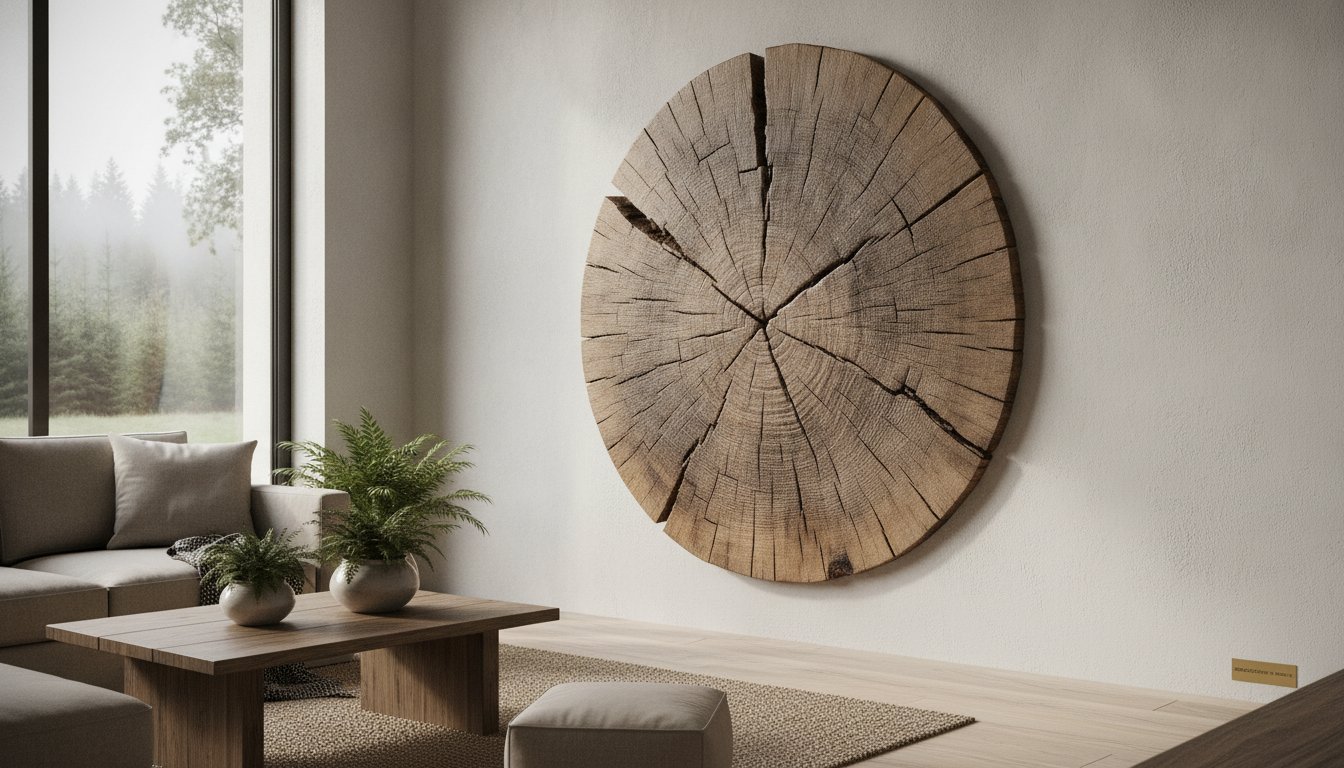
What if the fallen oak in a local woodland wasn't the end of a story, but the beginning of a piece of art that breathes life back into your home? It is a question that challenges the way we think about the objects we choose to live with. Many of us are weary of "greenwashed" labels that promise the earth but hide their supply chains behind glossy corporate jargon. You want to feel a genuine connection to the things you buy, ensuring that the timber in your table or the cotton in your shirt hasn't cost the planet its future.
We believe that every ring in a tree tells a history worth preserving. Visibull Art and Design sustainability isn't just a badge; it is a methodical, soulful journey from the forest floor to the gallery wall. In this article, you'll discover how ethical sourcing and artisanal craftsmanship combine to create British art, apparel, and furniture that truly honours its origins. We will walk you through the lifecycle of a Visibull piece, showing you how your purchase supports local UK ecosystems and how to style biophilic art to bring the outdoors in.
Key Takeaways
- Learn how true sustainability goes beyond marketing buzzwords by prioritising slow, methodical craftsmanship over the waste of mass production.
- Understand the ethical importance of sourcing timber from the forest floor and how Visibull Art and Design sustainability ensures every print respects the lifecycle of the tree.
- Discover the process of translating natural tree-ring textures into wearable art and homewares that maintain a conscious connection to the outdoors.
- Explore why investing in bespoke, handmade tables and garden sculptures is a heritage choice that reduces environmental impact through lifelong durability.
- See how your support for independent British studios helps preserve traditional artisanal skills whilst fostering a healthier relationship between the maker and the natural world.
Beyond the Buzzword: Defining Sustainability in British Craftsmanship
Sustainability is often reduced to a marketing slogan; a green leaf on a tag that tells you very little about the hands that made the object or the earth that provided the materials. In our studio, we view Sustainable art as a holistic commitment to material integrity. It's about more than just "eco-friendly" labels. It is a deep reverence for the lifecycle of timber and a refusal to participate in the cycle of disposability. Visibull Art and Design sustainability is rooted in the belief that art should honour its origins, turning what nature has discarded into something that can be cherished for generations. We act as a humble observer of the woods, ensuring that every piece we create serves as a centre for ethical art that celebrates the history found within a tree's rings.
Mass production relies on speed and uniformity, often at the cost of the environment. In contrast, artisanal creation follows a methodical, slower pace. We don't rush the process because you cannot rush the seasoning of wood or the careful hand-pressing of an original artist print. This deliberate approach naturally reduces waste. It ensures that every piece has a soul, something that is increasingly vital as modern British homes embrace biophilic design. By bringing the textures and organic shapes of the forest into our living spaces, we create environments that feel calmer and more grounded.
The Problem with Mass-Produced Decor
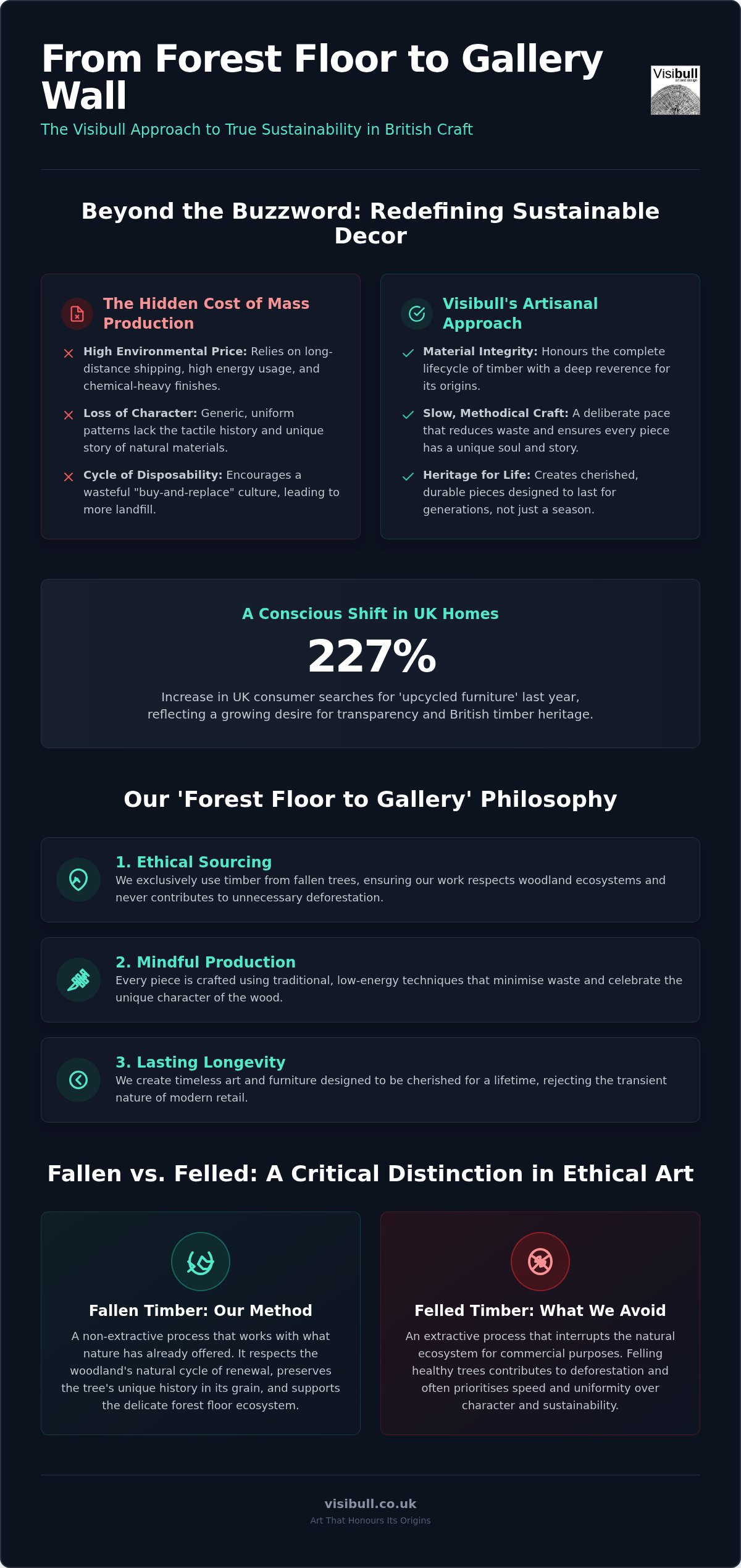
High-street art and furniture often come with a hidden environmental price tag. From the carbon emissions of long-distance shipping to the use of chemical-heavy glues and finishes, the cost is high. Beyond the ecology, there's a loss of character. Generic patterns lack the tactile history found in authentic natural materials. UK consumers are noticing this shift; searches for upcycled furniture surged by 227% last year. This reflects a growing desire amongst people to support independent makers who value transparency and British timber heritage over mass-market profit margins.
Visibull’s Core Environmental Pillars
Our "Forest Floor to Gallery" philosophy is built on three essential pillars that ensure Visibull Art and Design sustainability remains at the heart of everything we do:
- Sourcing: We exclusively use fallen timber, ensuring our work never contributes to illegal felling or unnecessary deforestation.
- Production: Every handmade table and garden sculpture is crafted using traditional techniques that minimise energy consumption and avoid mass-production waste.
- Longevity: We create objects designed to last a lifetime, moving away from the "buy-and-replace" culture of modern retail.
By maintaining a clear, documented journey for every material, we offer a level of honesty that mass-market brands cannot match. We want you to feel the weight of the wood and know exactly where it came from.
The Ethics of the Fallen Tree: Why Sourcing Matters for Original Prints
The forest floor is a place of constant renewal, where the end of a tree's life supports a vast network of fungi, insects, and new growth. For a humble artisan, this environment is not a resource to be harvested, but a story to be read. We believe that the most respectful way to create art is to work with what nature has already offered. By exclusively using fallen timber, we ensure that no healthy trees are felled for our work. Visibull Art and Design sustainability relies on this quiet, observant relationship with the woodland, where we wait for the wind or the weight of years to bring a specimen to the ground before we even consider it for our studio.
Decaying wood is vital for forest health. Because of this, we are selective about what we remove. We only take specific specimens that have a compelling story to tell through their grain and rings, leaving the majority of the timber to return its nutrients to the soil. This methodical approach transforms a physical object into a historical document. Every ring in a cross-section is a physical archive of British natural history, recording specific years of drought, long winters, and seasons of plenty. When you look at one of our prints, you are looking at a map of a tree's lived experience.
Fallen vs. Felled: A Critical Distinction
Fallen timber art is a non-extractive creative process that seeks to preserve the natural narrative of a tree's life without interrupting its ecological contribution. This method respects the natural growth cycle of British woodlands by avoiding the disruption caused by heavy machinery and commercial felling. Whilst we respect the rigorous standards of the Forest Stewardship Council (FSC) for commercial forestry, our studio operates in the spaces between those rows, focusing on the irregular beauty that commercial wood lacks. Fallen specimens often possess unique textures, such as spalting or beetle tracks, which provide a soulful depth that mass-produced timber simply cannot replicate.
Carbon Sequestration and Creative Longevity
Turning fallen wood into art "locks in" the history of the tree and its stored carbon. When wood is left to rot completely, it releases its carbon back into the atmosphere; by seasoning and preparing a cross-section for a table or a print, we extend that storage for decades. This process requires minimal industrial intervention. We avoid the high-energy kilns and chemical treatments common in industrial timber production, relying instead on patience and traditional techniques. This artisanal authority ensures that the raw beauty of the wood remains the focus. You can explore these unique histories through our collection of original artist prints, each one hand-pressed to capture the soul of the forest.
Eco-Clothing and Homewares: Wearable Art with a Conscience
The journey of a fallen tree doesn't stop at the workshop bench. By capturing the intricate patterns of British timber, we've found a way to carry the forest with us through our studio work. Visibull Art and Design sustainability extends deep into the world of textiles, where the same reverence for nature is applied to every stitch and seam. Translating a physical tree-ring print onto fabric requires a delicate touch; it's about preserving the raw, organic lines that tell a story of growth and resilience. This transition into wearable art allows you to foster a deeper connection with the natural world, even when you're far from the woods.
We embrace the slow fashion movement, believing that a garment should be a long-term companion rather than a fleeting trend. Mass-produced clothing often lacks a sense of origin, but our designs are rooted in the physical reality of the forest floor. This connection encourages a more mindful approach to what we wear, reminding us that every resource has a history. When you choose a piece of nature-inspired apparel, you're not just wearing a design; you're participating in a philosophy that values the slow, methodical growth of the earth over the frantic pace of modern consumption.
Materials Matter: What Makes Apparel "ECO"?
True eco-clothing is defined by what it leaves out as much as what it includes. Our range prioritises sustainable and eco-friendly textiles, such as organic cotton and recycled materials. We avoid the plastic-heavy inks and harmful chemical dyes that plague the fast-fashion industry. These fabrics have a distinct, tactile quality; they feel substantial and soft, lacking the synthetic "coldness" of mass-produced garments. By choosing durable pieces, you're investing in clothing that resists the "buy-and-discard" cycle. It's a conscious choice that values longevity and the health of our planet.
Sustainable Homewares: Small Touches, Large Impact
In our studio, we practice a zero-waste philosophy. Every offcut from a handmade table or a large garden sculpture is seen as a potential piece of functional art. Small fragments of timber that might otherwise be discarded are transformed into coasters, light boxes, and other homewares. This ensures that the entire lifecycle of the material is honoured. These items bring a subtle, biophilic touch to your living space, acting as daily reminders of the British woodland. You can explore our range of woodland home accessories UK to see how these small pieces make a significant ecological statement. By utilising every part of the timber, we ensure that nothing of value is lost.
Bespoke Furniture and Sculptures: Investing in Heritage
Sustainability is often measured in recycled content or carbon offsets, but the most profound act of ecological responsibility is creating something that never needs to be replaced. When we build, we build for the century. Mass-produced furniture is frequently designed for a short lifespan; it's often lightweight, chemically bonded, and ultimately destined for a landfill. In our studio, Visibull Art and Design sustainability is defined by the creation of heritage pieces. These are objects that carry the weight of the forest into your home, standing as silent witnesses to the passing years. By using natural oils and waxes rather than heavy varnishes, we ensure the timber remains breathable and tactile. This allows the wood to age gracefully, developing a rich character over time rather than peeling or cracking like synthetic veneers.
The Journey from Tree to Table
The transition from a raw, fallen log to a finished surface is a lesson in patience and observation. We begin with a meticulous drying process that can take years, allowing the moisture to leave the timber at its own pace to prevent warping or splitting. Instead of forcing the wood into a predetermined, rigid shape, the artisan listens to the grain. We work with the natural undulations, knots, and splits, celebrating the imperfections that industrial processes would sand away. This results in bespoke wooden tables UK residents can cherish as functional art. Each piece is a unique landscape of texture and history, providing a sturdy, soulful centrepiece for a home that values the slow, methodical pace of craftsmanship.
Garden Sculptures: Art That Lives Outdoors
Art shouldn't be confined to the four walls of a gallery; it belongs amongst the elements where it can interact with the natural world. Our garden sculptures are designed to live outdoors, crafted from hardy timber species that weather naturally in the British climate. Over time, the golden hues of fresh wood soften into a silver-grey patina, a visual transformation that reflects the changing seasons. These pieces do more than just provide a focal point; they enhance local garden biodiversity. A sculpture with natural fissures or hand-carved hollows becomes a sanctuary for solitary bees and other vital insects. It's art that gives back to the ecosystem from which it came, maturing alongside your garden and becoming part of the local landscape.
If you're looking to bring a piece of British woodland heritage into your own space, you can view our latest handmade tables and sculptures here.
The Visibull Legacy: Supporting Independent British Art
The relationship between a buyer and an independent studio is a quiet partnership. It's a bridge that connects your living room directly to the forest floor, bypassing the cold, anonymous machinery of mass production. When you choose a piece from our studio, you aren't just acquiring an object; you're becoming a custodian of a woodland story. Visibull Art and Design sustainability is built on this shared integrity. It's the feeling of knowing that the grain in your table or the ink on your print has been handled with respect, transparency, and a deep appreciation for the tree’s original life. There is a profound emotional reward in owning something with a documented, ethical origin. It provides a sense of grounding that mass-produced items simply cannot replicate.
By supporting an independent maker, you're helping to keep traditional British crafts alive. These are skills that rely on patience and a deep understanding of natural materials, qualities that are often overlooked in a fast-paced world. Your choice to invest in artisanal work ensures that the knowledge of wood seasoning, hand-pressing, and traditional joinery continues to flourish. It's a way of saying that the "how" and "why" of an object's creation matter just as much as the final result.
Why Your Choice Matters in 2026
The UK art world is undergoing a significant transformation. We're seeing a move towards a circular economy where materials are cherished and reused rather than discarded as waste. In 2026, your patronage of independent British art does more than just decorate a wall; it funds the continued preservation of traditional crafts that are at risk of being lost to automation. Every purchase allows us to spend more time in the woods, observing the seasons and identifying fallen specimens that have finished their natural cycle. If you're searching for a meaningful gift that carries this heritage, we encourage you to look for tree ring art prints UK collectors value for their raw, unadulterated beauty. These prints act as a permanent record of a specific time and place in our landscape.
Caring for Your Sustainable Art
Owning a piece of the natural world requires a little mindful care to ensure its longevity. For prints, the greatest threat is prolonged exposure to direct sunlight, which can fade the organic inks over time. Position your artwork in a place where it can be enjoyed without being bleached by harsh UV rays. For wooden furniture and homewares, moisture and temperature are the primary concerns. Avoid placing items near direct heat sources like radiators, which can cause the timber to dry too quickly and crack. A simple wipe with a dry cloth and an occasional application of natural wax will keep the wood supple and protected. This minimal maintenance ensures that the piece matures alongside your home.
Nature-inspired design has an enduring beauty that transcends fleeting trends. It's about finding peace in the textures of the earth and the slow growth of the forest. We invite you to begin your own sustainable art journey by exploring our collection of original prints and handmade furniture. Let's keep these forest stories alive together.
Bringing the Forest into Your Home
Choosing art and furniture that respects the earth is a powerful way to ground your living space in authenticity. Throughout this journey, we've seen how true sustainability isn't found in mass-produced labels, but in the slow, methodical seasoning of fallen timber and the careful hand-pressing of original prints. By honouring the natural lifecycle of the forest, we ensure that every piece tells a story of resilience rather than one of extraction. Visibull Art and Design sustainability is a commitment to material integrity that bridges the gap between the outdoors and your interior decor.
When you invest in these heritage pieces, you're supporting the survival of traditional British craftsmanship and protecting our woodland history. Each item is hand-pressed from fallen British timber using original artist-led designs and ethical production methods. It's time to move away from the disposable and embrace objects that are built to last a lifetime. We invite you to explore our collection of sustainable tree ring art and eco-apparel to find a piece that resonates with your own values. Let's continue to celebrate the quiet beauty of the natural world together.
Frequently Asked Questions
Is the wood used for Visibull prints sustainably sourced?
Yes, we exclusively use timber that has fallen naturally due to age, wind, or weather. We work closely with local landowners to identify specimens that have finished their biological cycle. This approach ensures that no healthy trees are ever felled for our studio work. By selecting only a few specific logs and leaving the rest to nourish the woodland floor, we maintain a respectful balance with the local ecosystem.
What makes your eco-clothing different from high-street brands?
Our eco-clothing prioritises organic cotton and recycled fibres over the synthetic blends favoured by high-street retailers. We use water-based inks for our tree-ring designs, avoiding the plastic-heavy plastisol prints that contribute to environmental micro-pollution. Every garment is designed for longevity, encouraging a slow-fashion mindset. This ensures your clothing remains a tactile, durable connection to the forest rather than a disposable item destined for a landfill after a few wears.
Can I commission a bespoke wooden table from a specific type of tree?
We certainly accept commissions for bespoke handmade tables, though our work depends entirely on what the forest provides. If you're looking for a specific species like Oak, Ash, or Beech, we can search our seasoned stock of fallen timber to find the perfect match. This process is slow and methodical, ensuring the wood is properly dried and the grain is respected. It's a collaborative journey between the maker, the wood, and your home.
How do you ensure the garden sculptures survive the British weather?
We ensure longevity by selecting durable British hardwoods that naturally resist the elements. Species like Oak are chosen for their density and high tannin content, which protects against decay in our damp climate. These sculptures are designed to live outdoors, maturing and silvering as they weather. We avoid synthetic varnishes that peel, opting instead for traditional techniques that allow the timber to breathe and age gracefully alongside your garden's own natural cycles.
Are the inks used in the tree ring prints environmentally friendly?
We use professional-grade, archival inks that are selected for their low environmental impact and exceptional clarity. These inks allow us to capture every fine detail of the tree's rings without the need for harsh chemical solvents. This commitment is a vital part of Visibull Art and Design sustainability, ensuring that the final hand-pressed print is as gentle on the planet as the fallen timber from which it was originally created.
Why is fallen timber better for art than freshly cut wood?
Fallen timber often displays unique aesthetic qualities, such as spalting or beetle tracks, which add a soulful depth that freshly cut wood lacks. Beyond the visual appeal, using fallen wood is an ethical choice that respects the forest's natural growth. It allows us to create art that is entirely non-extractive. We then use a patient seasoning process to ensure the timber is stable and ready to be transformed into a lasting piece for your home.
Do you offer sustainable gift options for 5th wedding anniversaries?
Wood is the traditional gift for 5th wedding anniversaries, representing the strength and deep roots of a marriage. Our original artist prints and handmade homewares offer a soulful, sustainable way to mark this milestone. Unlike mass-produced gifts, a Visibull piece carries the history of a British tree, making it a unique and enduring symbol of growth. It's a thoughtful choice for those who value ethical origins and the beauty of the natural world.
How can I verify the sustainability of your homewares?
Transparency is central to our workshop. Every homeware item, from coasters to light boxes, is crafted from the offcuts of our larger furniture and sculpture projects. This zero-waste method is a fundamental aspect of Visibull Art and Design sustainability. You can verify this through the visible, natural imperfections and raw edges of our work. Each piece serves as a physical record of its journey from a fallen log to a functional object in your home.