
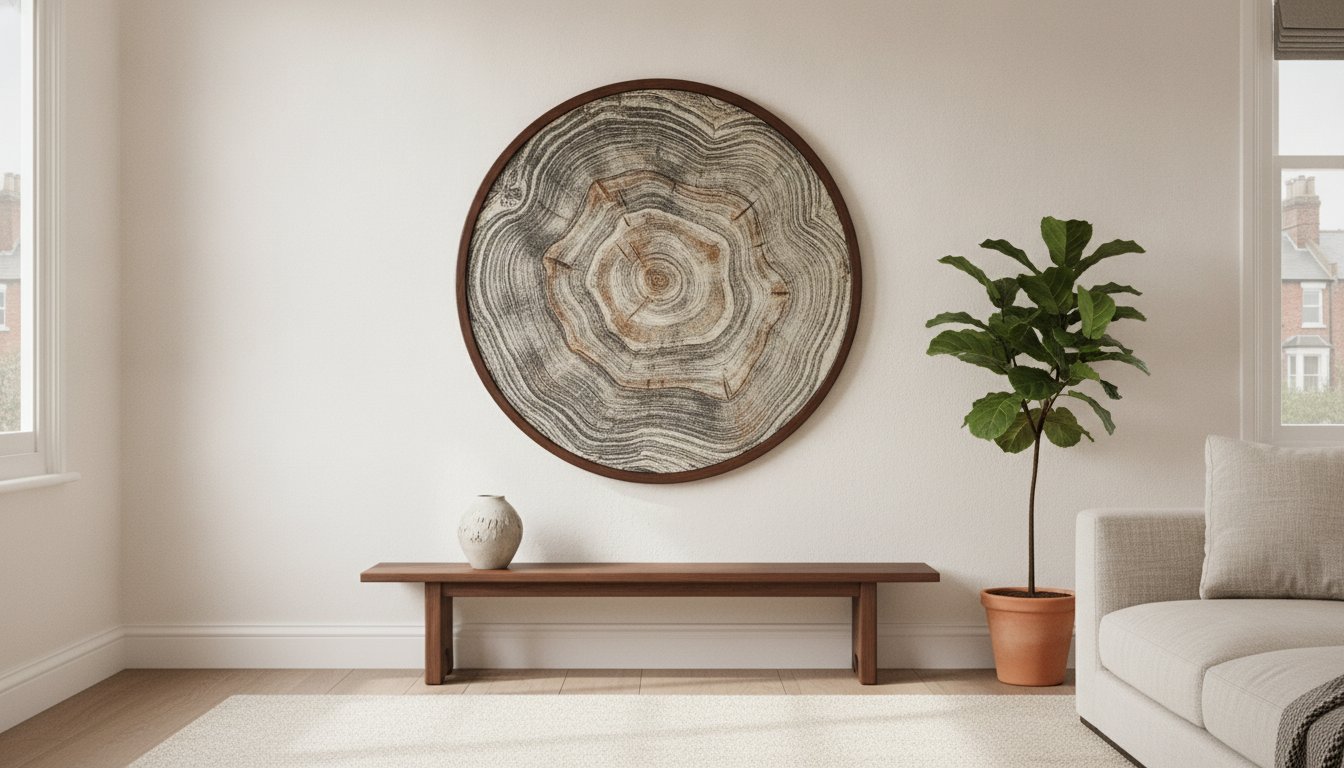
What if the most captivating conversation starter in your home wasn't created in a factory, but grown over a century in a quiet British woodland? Many of us crave a deeper connection to the outdoors, yet finding rustic wood wall art UK that feels both contemporary and genuinely eco-friendly can be a daunting task. You might worry that timber decor will look too heavy for a modern flat, or feel confused by the difference between basic reclaimed planks and the intricate, hand-pressed beauty of original nature prints.
It's true that your living space should be a sanctuary that reflects your values and your reverence for the natural world. In this guide, you'll discover how to transform your rooms using authentic, sustainable wood art that celebrates the unique heritage of British timber. We'll explore the 2026 trends of warm minimalism and organic shapes, helping you distinguish between mass-market imitations and soulful artisan pieces. From understanding the tactile allure of tree-ring prints to styling your walls with the help of independent makers, you're about to learn how to bring the forest floor into your home with grace and quiet enthusiasm.
Key Takeaways
- Understand the transition from "shabby chic" to organic modernism and how to balance raw timber textures with clean, minimalist design.
- Discover why original tree-ring prints are a standout choice for rustic wood wall art UK by offering a tactile, visual biography of a fallen tree.
- Learn how to apply the 60/40 rule to select the ideal scale for your wall and choose between wood species like Birch or Oak based on your room's lighting.
- Identify the hallmarks of authentic "slow art" to ensure your decor is sustainably sourced from British timber and crafted to last as a modern heirloom.
- Explore the 2026 heritage storytelling trend to find conversation-starting pieces that connect your living space to the history of our woodlands.
The Evolution of Rustic Wood Wall Art in UK Interiors
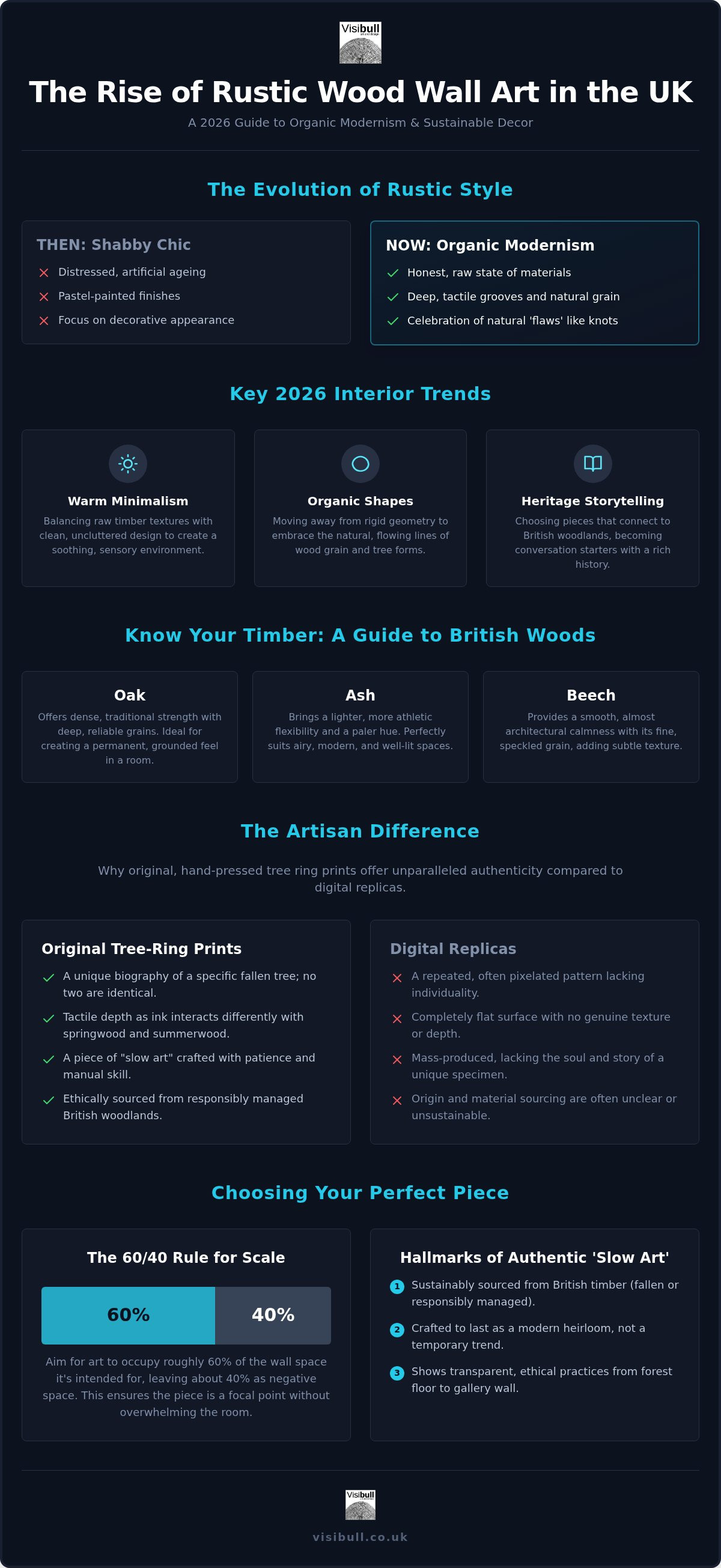
The concept of "rustic" has undergone a profound transformation within British homes. We've moved away from the distressed, "shabby chic" aesthetics that once dominated the market; those pastel-painted finishes have been replaced by something far more substantial. In 2026, the trend has matured into organic modernism. This movement prioritises the honest, raw state of materials over artificial ageing. Homeowners are increasingly seeking out rustic wood wall art UK to ground their urban living spaces. They're choosing the deep, tactile grooves of timber over flat, digital prints. This shift represents a desire for authenticity. It's about bringing the quiet strength of the woodland into the home, allowing the natural geometry of a tree to dictate the room's energy and rhythm.
The Return to Materiality
Our relationship with our living spaces is becoming more sensory and less screen-dependent. Biophilic design has moved from a niche concept to a standard for modern well-being, influencing everything from architecture to small homewares. Choosing wood artwork reflects a deep-seated need for tactile environments that soothe the mind. Unlike mass-produced plastic or resin alternatives, genuine timber offers a unique biography. It carries the weight of years and the texture of the elements. When we look back at the history of wood carving, we see a centuries-old dedication to honouring the spirit of the tree through manual skill. Modern interiors now embrace this heritage by favouring pieces that highlight knots, cracks, and varied grains. These aren't seen as flaws, but as the very soul of the artwork, marking the transition from a forest floor to a curated gallery wall.
Sustainability as a Design Standard
The modern UK art market is being reshaped by the "conscious collector." For these individuals, the origin of a piece is just as vital as its visual appeal. It isn't enough for a sculpture or print to look natural; it must be born from ethical, transparent practices. This is where nature inspired wall art UK serves as a vital bridge. It connects the heritage of British forestry to the contemporary home through sustainable sourcing and mindful craftsmanship. By choosing art made from fallen timber or responsibly managed British wood, you aren't just decorating a surface. You're participating in a cycle of renewal. This commitment to environmental responsibility ensures that your decor remains a meaningful part of your home, acting as a conversation piece that values the "how" and "why" of its creation as much as the final result.
Exploring the Materiality of Wood Artwork for the Wall
Materiality is the heart of any wooden piece. It's the difference between a simple decoration and a lasting story. When you look at rustic wood wall art UK, you aren't just looking at a finished surface; you're seeing the biography of a living organism. Different species dictate the final mood of a room. Oak offers a dense, traditional strength with deep, reliable grains that feel permanent and grounded. Ash brings a lighter, more athletic flexibility and a paler hue that suits airy, modern spaces. Beech provides a smooth, almost architectural calmness with its fine, speckled grain. Whilst reclaimed timber carries the history of human industry, art made from fallen trees captures the unedited narrative of the forest floor.
Original Tree Ring Prints vs. Digital Replicas
Hand-pressing prints from timber specimens is a methodical, quiet craft. It requires patience and a steady hand. Unlike digital replicas that repeat a pixelated pattern, fallen tree art UK captures the exact, unrepeatable geometry of a specific tree's life. The ink interacts with the natural growth rings, sinking into the softer springwood whilst sitting atop the denser summerwood. This creates a visual depth that a flat screen simply cannot mimic. Sourcing these specimens responsibly is paramount to our process. We look to the UK Forestry Standard to ensure our appreciation of timber heritage doesn't come at the cost of the environment. Every print becomes a record of a lifecycle, celebrating the ethical renewal of our woodlands.
3D Sculptural Pieces and Bespoke Woodcraft
Moving into three dimensions, large-scale rustic wood wall art UK does more than fill a void on a wall. It changes the atmosphere of a room. Thick, sculptural panels or heavy cross-sections improve acoustics by diffusing sound waves, adding a literal and metaphorical warmth to urban spaces. Some collectors even bring garden sculptures indoors to act as dramatic focal points, bridging the gap between the patio and the parlour. This wood-centric interior is often completed by bespoke handmade tables, where the grain of the horizontal surface speaks to the art on the wall. If you feel a pull toward these organic textures, you might view our latest handmade homewares and prints to see how these materials can live within your home.
2026 Design Trends: From Reclaimed Timber to Organic Tree Ring Prints
The landscape of interior design in 2026 has moved decisively away from generic imagery. Whilst previous years saw a flood of mass-produced "forest" photography and "shabby chic" farmhouse signs, today's homeowners seek a more profound connection to the materials themselves. We're seeing a move toward abstract, material-focused art that celebrates the organic geometry of the tree. This is the new face of rustic wood wall art UK. It's less about depicting a scene and more about presenting the wood as the protagonist. This trend prioritises "Honest Materials," where the natural fissures and growth patterns are the primary decorative elements. By looking at the V&A furniture collection, we can see how British design has always valued the marriage of form and function; today, that legacy continues as we strip away the excess to reveal the raw beauty of timber.
The Minimalist Shift
Clean lines now meet raw textures in a style we call "Minimalist Rustic." This aesthetic is particularly popular in Scandi-inspired homes where neutral palettes dominate. Monochrome tree ring art prints UK have become a staple for those who find busy floral patterns too distracting. They provide a focal point that is both intricate and calming. To achieve this look, you might pair a single, oversized statement piece with a contemporary neutral wall. This replaces the cluttered gallery walls of the past with one significant work that commands the room. We're also seeing a rise in mixed-media styling, where the rugged grain of a wall piece is softened by the presence of eco-apparel textures, such as organic cotton or hemp homewares, creating a layered, tactile environment.
Heritage and Provenance
There's a growing demand for art with a story. Collectors in the UK aren't just buying decor; they're investing in "living records" of our shared landscape. This trend of Heritage Storytelling focuses on the provenance of the timber. When a fallen tree is transformed into a print or sculpture, it retains its history. Each ring acts as a silent witness, documenting a specific year of British weather history through its width and density. This connection to the land is what makes rustic wood wall art UK so compelling. It isn't just a piece of wood; it's a century of survival, growth, and environmental change captured in a single cross-section. This shift toward "Art with a Biography" ensures that your wall decor remains a meaningful conversation starter rather than a temporary fashion choice.
Selecting the Right Piece: Scale, Species, and Sustainable Sourcing
Choosing the right rustic wood wall art UK requires a balance between mathematical precision and artistic intuition. We often recommend the 60/40 rule for statement pieces. This means your artwork should cover approximately 60% of the wall width above a sofa or sideboard to feel anchored rather than lost. If a piece is too small, it appears timid; if it's too large, it can overwhelm the room's architecture. Lighting also plays a crucial role. A pale Birch cross-section can lift a shadowed corner, reflecting light back into the room. Conversely, the deep, chocolatey tones of ancient Oak provide a sense of permanence in sun-drenched spaces. Ensuring archival quality is equally vital. True artisan work uses seasoned timber and lightfast inks to ensure the biography of the tree doesn't fade over the decades.
Species Selection and Interior Cohesion
The grain of the wood carries its own psychological weight. Fine, straight grains offer a sense of order and focus, whilst erratic, swirling knots invite curiosity and reflection. To create a cohesive environment, look at your existing furniture. If you've invested in a handmade wooden desk UK, the wall art should echo those tones without necessarily matching them perfectly. A mix of species can work if there's a shared undertone, such as a warm honey or a cool grey. This dialogue between horizontal surfaces and vertical art creates a room that feels intentionally composed. It's about building a space where every element feels like it belongs to the same woodland story.
Where to Source Sustainably
The UK art market is prone to "greenwashing," where mass-market items are labelled as "natural" without any proof of origin. Genuine sustainability is about more than just the material; it's about the lifecycle of the object. Buying directly from independent British studios allows you to trace the wood back to its source. You should look for makers who are transparent about their process. Use this checklist when verifying a maker's credentials:
- Is the timber sourced from fallen trees or managed British woodlands?
- Does the artisan follow UKTR due diligence for timber legality?
- Are the finishes and inks used eco-friendly and non-toxic?
- Is the piece entirely handmade in the UK rather than imported?
Avoiding generic platforms ensures your purchase supports local heritage and reduces the carbon footprint of your decor. If you're ready to find a piece with true integrity, you can browse our collection of sustainable wood wall art to see how we honour the natural world.
Beyond the Grain: Why Original Artisan Wood Art Outlasts Mass-Market Decor
The "Slow Art" movement isn't just a reaction to digital fatigue; it's a return to a pace of creation that respects the material. When you invest in rustic wood wall art UK, you're choosing an object that hasn't been rushed. Hand-pressed prints and sculptures retain their value because they're physically impossible to mass-produce. Each piece requires a methodical approach, from the initial discovery of a fallen specimen to the careful execution of the final work. This patience creates a modern heirloom. Unlike generic decor that you might discard after a season, these pieces carry a weight and a soul that only deepens over time. They become part of the family story, bridging the gap between the maker's hands and the collector's home.
The Artisan Advantage
There's a fundamental difference between a "wood print" found in a big-box retailer and a print made directly from the timber itself. Mass-market versions are often just digital photographs of wood grain printed onto canvas or MDF. They lack the tactile honesty of the real thing. In contrast, authentic rustic wood wall art UK celebrates the unique imperfections that only a life lived outdoors can produce. A scar from a storm or a narrow ring from a drought year isn't a flaw; it's the very point of the piece. By choosing these works, you're also supporting the UK creative economy. You're ensuring that traditional skills, like manual printmaking and woodworking, continue to thrive amongst a community of independent makers who value integrity over volume.
A Holistic Approach to Nature-Inspired Living
Building a home that breathes with the forest often starts with a single piece of art, but it rarely ends there. Many collectors find that once they've introduced the organic texture of timber to their walls, they want that same sense of connection in other areas of their lives. This might mean extending the woodland aesthetic to your wardrobe by choosing eco friendly nature inspired clothing UK or selecting homewares that share the same ethical provenance. Small studio pieces offer a level of soul that mass-produced items simply can't replicate. When your surroundings are filled with objects that have a clear "how" and "why" behind them, your home feels more grounded. It's no longer just a place to store things; it's a sanctuary that reflects a genuine reverence for the natural world. Choosing art that outlasts trends is the final step in creating a space that feels truly authentic, sustainable, and connected to the British landscape.
Invite the Forest into Your Living Space
Creating a home that feels connected to the earth is a methodical process of choosing quality over quantity. Nature doesn't rush. By embracing the 2026 trends of organic modernism and heritage storytelling, you can ensure your rustic wood wall art UK serves as a visual biography of the British landscape. We've explored how the tactile depth of an original print outlasts the flat digital replicas of mass-market retailers, offering a soulful connection to the lifecycle of timber. Whilst you might balance room energy with light Birch or ground a space with ancient Oak, the most important element is the integrity of the material itself.
Every piece we create is an original work taken directly from a fallen tree, hand-crafted with deep reverence in our UK studio through ethical, eco-friendly processes. We invite you to explore our collection of original tree-ring prints and sustainable woodcraft to find a piece that resonates with your values. Transforming your environment into a sanctuary of natural beauty is a journey worth taking, one ring at a time.
Frequently Asked Questions
What is the difference between rustic wood wall art and modern wood art?
Rustic wood wall art UK focuses on the inherent geometry and history of the timber, whilst modern styles often prioritise sleek, processed finishes. In 2026, these worlds merge through a trend called organic modernism. This aesthetic uses raw, unedited textures from fallen trees to ground contemporary spaces. It's about celebrating the biography of the specimen rather than hiding it behind paint or synthetic veneers, ensuring the piece feels both grounded and sophisticated.
How do I clean and maintain my wood artwork wall piece?
Maintaining your wood artwork requires a gentle touch to preserve the natural grain and texture. You should use a soft, dry lint-free cloth or a natural bristle brush to remove dust from the intricate surfaces. Don't use commercial sprays or damp cloths, as moisture can cause the timber to swell or warp over time. Keeping the piece away from direct sunlight and radiators will prevent the wood from becoming brittle or fading.
Is wood wall art suitable for bathrooms or kitchens in the UK?
Wood art can live in kitchens and bathrooms if you manage the environment carefully. High humidity and steam can damage unedited timber, potentially leading to structural changes or mould. For these spaces, we recommend choosing our original artist prints that are professionally glazed and sealed within a frame. This provides a protective barrier whilst still allowing you to enjoy the organic aesthetic of the forest in every room of your home.
How do I hang a heavy rustic wood art piece safely?
Hanging a substantial timber piece requires appropriate hardware based on your specific wall type. For plasterboard, you'll need heavy-duty toggle bolts or to locate the wooden studs behind the wall. If you're mounting onto masonry, use high-quality wall plugs and long screws. Always ensure the fixings are rated for the weight of your sculpture. Taking this methodical approach ensures your investment remains secure and becomes a permanent part of your sanctuary.
Why should I choose original tree-ring prints over digital copies?
Original tree-ring prints offer a tactile depth that digital replicas simply cannot replicate. A digital copy is a flat photograph, whilst an original is hand-pressed directly from a fallen tree cross-section. This process allows the ink to interact with the growth rings, capturing the exact, unrepeatable biography of the specimen. You aren't just buying a picture of wood; you're owning a physical record of a century of British weather and growth history.
Can I commission a bespoke wood art piece from a specific tree species?
We certainly accept bespoke commissions for handmade tables and unique garden sculptures tailored to your preferences. If you have a specific species in mind, such as Oak or Ash, we can discuss how to source a fallen specimen that meets our sustainable standards. This collaborative process allows you to have a hand in the story of your furniture. It ensures the final piece aligns perfectly with the energy and lighting of your interior space.
Is the wood used in your art sustainably sourced within the UK?
Every piece of timber we use is sustainably sourced within the United Kingdom. We focus on fallen trees or wood from managed woodlands that adhere to the UK Forestry Standard. This commitment to ethical renewal ensures that our work celebrates timber heritage without damaging our natural ecosystems. By sourcing locally, we also reduce the carbon footprint of our rustic wood wall art UK, supporting a transparent lifecycle from forest floor to gallery wall.
Does rustic wood art work in a minimalist or contemporary home?
Rustic wood wall art UK is a perfect match for minimalist and contemporary interiors. The current trend for warm minimalism relies on natural textures to add character to neutral palettes. A single, oversized tree-ring print provides a sophisticated focal point without cluttering the space. It adds a layer of organic warmth that prevents modern rooms from feeling cold or clinical, creating a home that feels both curated and deeply connected to nature.